Part 2
February 10, 2026
This is the second part of a two part series about dog behaviors. What are common negative behaviors? What is the top reasons they occur and a look at corrective actions to take.
Accidents in the house
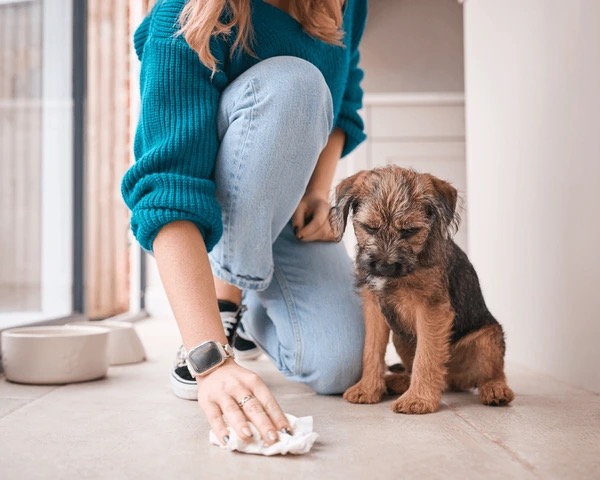
Puppies learning the rules of house training is one thing, but an adult dog going in unwelcome places is quite another.
This behavior is not only frustrating, but can cause damage.
Always discuss this behavior with your vet to make sure there isn’t a health problem.
Other reasons for accidents can include:
- Marking their territory
- Anxiety
- Excited urination
- Lack of proper house training
Dogs require more serious training to get them past a habit that has become second nature.
You need to retrain your pooch to let you know when they need a bathroom break. A doggy bell to ring, a talking button or training them to sit by the door when they need to go out all work well. Whatever signal you choose, immediately take them out. Establishing a strong routine should be reinforced with praise and can include treats.
Begging
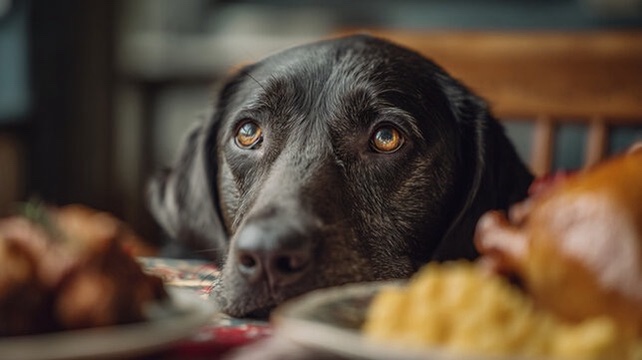
This is a bad habit that is generally caused by the owner. It is a habit that can cause digestive issues and obesity. While it’s hard to resist those longing eyes staring at you, resist the urge or confine them to another room.
After your meal you can offer them a treat and praise to reinforce.
Chasing
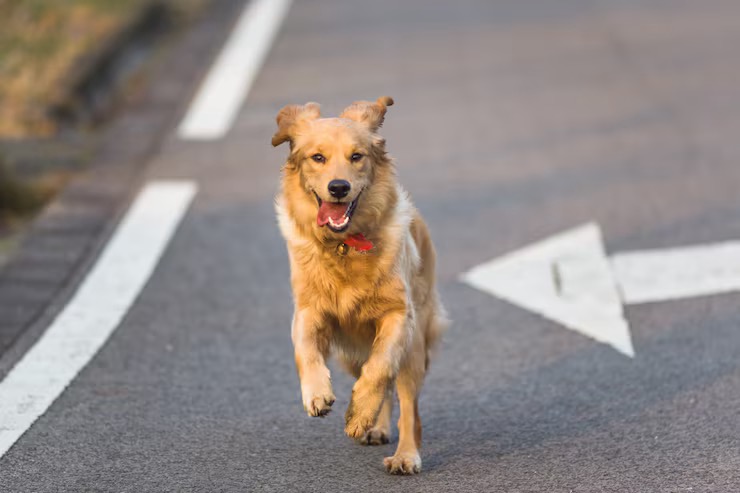
Dogs have a natural instinct to chase. The problem is that it can lead to deadly consequences.
Taking steps to prevent a fatal outcome is important. Things you can do:
- Train your dog to come when called
- Keep your dog on a leash or in an enclosed area when outside
- Paying attention to what your dog likes to chase can help you teach them to focus on you instead of running off
- Obedience classes can be very helpful
- Praise and treats reinforce good behavior
Jumping up
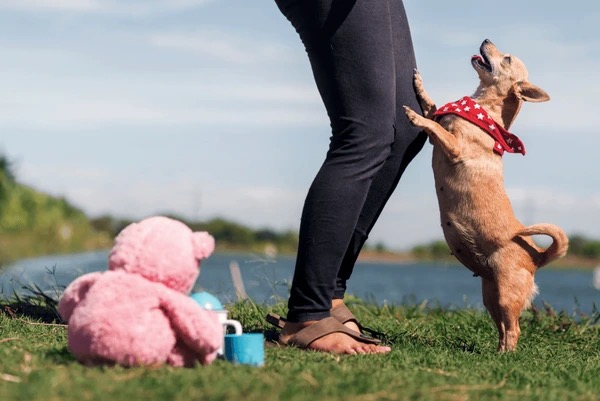
Jumping up is another natural behavior for dogs. As puppies they jump up to reach their mother. As an adult, jumping up is a way of greeting people. Dogs also jump when excited.
While it may not bother you, it can be annoying to friends and family. There is also a risk of their nails scratching or knocking someone off balance.
Methods to stop jumping include:
- The best response is to ignore your dog. Avoid eye contact. Don’t speak or touch them.
- When your dog has calmed down, praise him. They will soon associate your actions with what is expected.
Biting
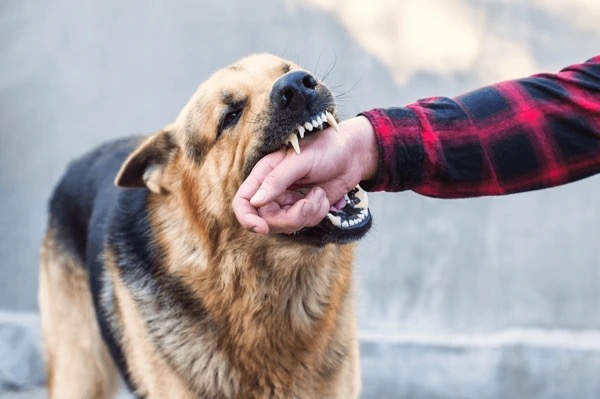
Biting is another behavior that is a typical response in dogs. As a puppy, their mother teaches them not to bite too hard. If you have ever had a puppy, you know they often mouth or bite. Your job is to continue what their mother started by letting them know when they are getting too rough.
When they get into adulthood, biting can happen for a variety of reasons:
- Out of fear
- Defending themselves
- Protecting their property (food, bones, their bed)
- They are in pain or sick
Any dog can bite if they feel threatened.
Important steps you can take:
- Socializing your dog is important. Letting them get to know other people and dogs does wonders. Always let your dog sniff the dog or person before contact.
- Being aware of your dog’s body language is key to removing the threat of nipping.
- Avoid physical punishment
- Avoid playing too rough, this can make them bite harder
- Do not disturb a dog when sleeping or eating
- Avoid leaving young children unsupervised around dogs
- Use crates, baby gates or a muzzle while training your dog
- Consult your vet
- Consider obedience training
As part of your family,
it is important to teach your dog acceptable behavior for a safe and healthy life, while also building a strong bond with you.
To read the first part of this blog: Dog Behaviors
Kelly