July 21, 2026
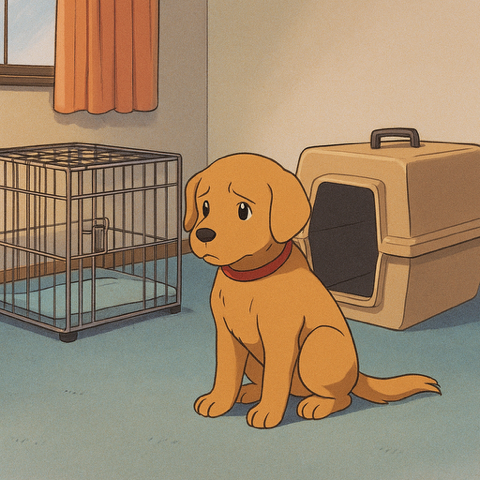
There are several factors to help you decide if crating is right for your dog. Using a crate can provide an excellent means to help with potty training and safety.
Comfort or distress?
While some dogs find being crated a comfort, others find them troublesome. For those dogs, a playpen or gated off room may make them feel more comfortable. Both options can prevent accidents or destructive behaviors.

Many dog trainers feel that teaching your dog to be in a crate is an important skill. A trip in the car to see the vet, a boarding facility or in an emergency, is much safer in a crate.
A safe haven vs insecurity
Dogs can suffer from claustrophobia, separation anxiety or panic attacks by forcing them to stay in a small cage.
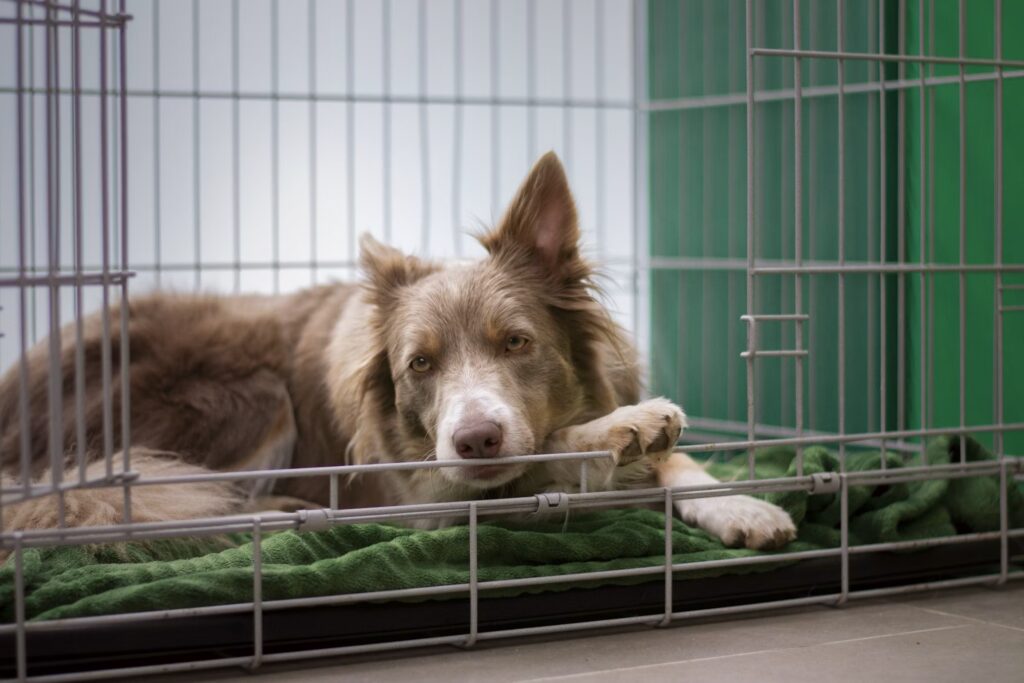
If you decide to use a crate, be sure to make it a positive experience. Using treats and positive reinforcement can help make crating go smoothly.
Consider their needs
Younger puppies can’t hold their bladders all day. Dogs tend to not want to lay in an accident.
A guideline to follow is to keep a puppy in a crate for no more than one hour for each month of their age. If they are 2 months old, they should only be in a crate for 2 hours.
Make sure you have the right size crate for your dog. They should be able to stand up, turn around and stretch comfortably. If the crate is too big because they are still growing, use the divider panel that comes with most wire crates. This will prevent them from going potty on one end of the crate if it is too large.
Tips for success
Always take your dog or puppy out for a potty break and walk before crating them. This will help prevent them from getting bored or having an accident.

Start slow. Use a command like, “Crate Up!” so your dog knows what is expected. Leave the crate open so they can check it out freely. Our dogs go in their crate when they want to be alone or are really tired.
What is their background story
Our rescue dog was crated for the first three years of his life. I worried that putting him in a crate would increase his anxiety. He was not completely potty trained and would chew on things. It is quite the opposite, he feels safe and sleeps soundly in his crate.

I was against crate training until one of our dogs came to us crate trained. He loves having his own space. He goes in on command. With a trip outside to go potty and stretch his legs followed by a chew to occupy him for awhile, he is content to nap until I return.
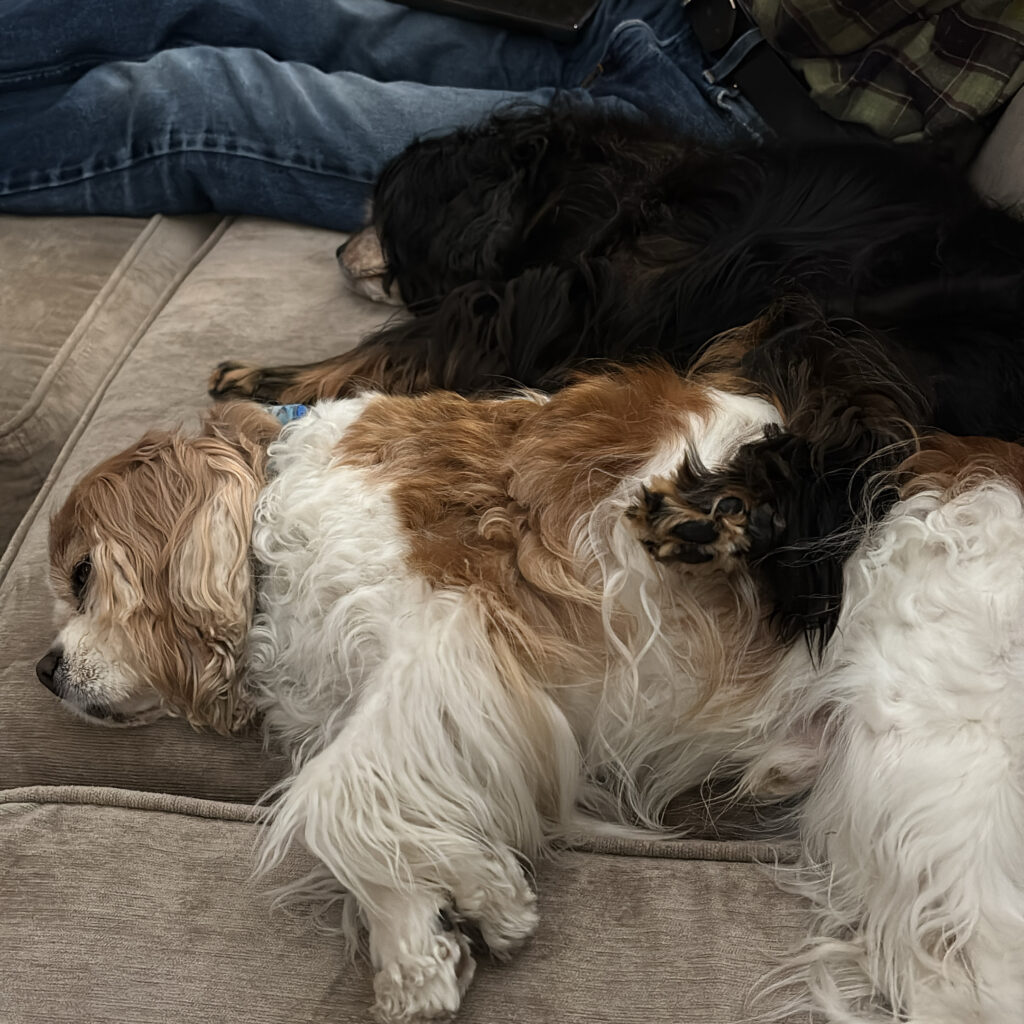
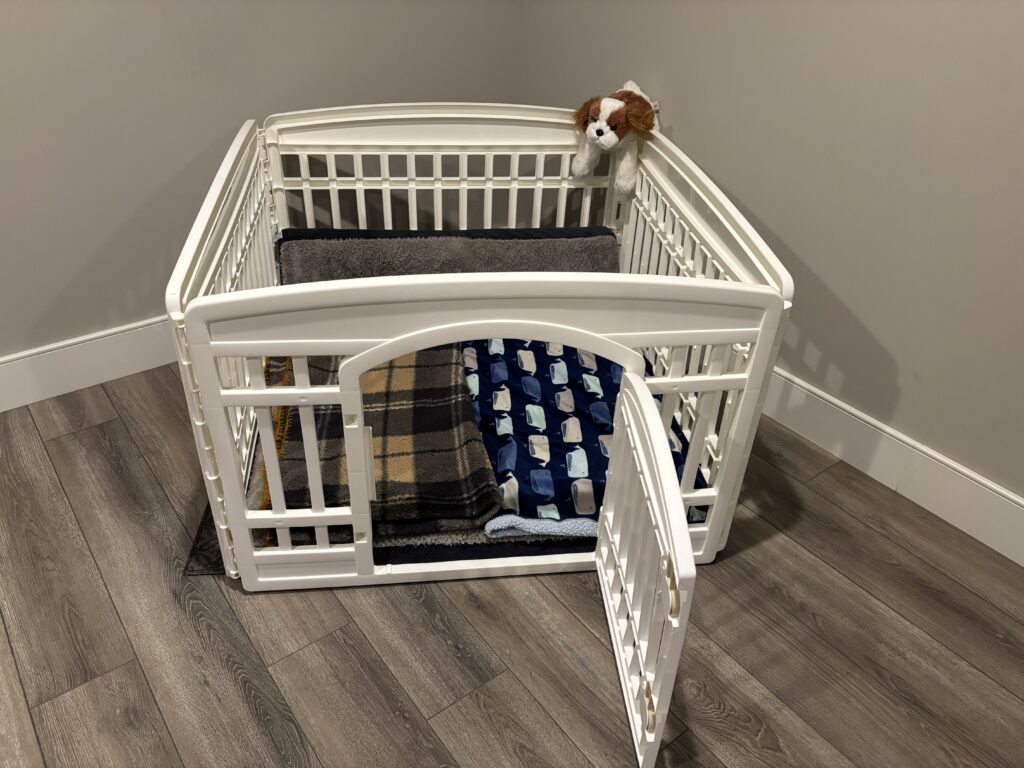
I use a playpen style confinement area for our two dogs. They like to be together. Our rescue can climb out if he is alone and stressed.
Whether you crate or not, always set your pup up for success by taking it slow, making sure they can’t get into trouble; like getting into the garbage, shredding clothes or chewing on furniture. These behaviors can make them sick or worse.
In some countries, crating is illegal. It is a debate that has gone on for years. It has no right or wrong answer. The better question is, “Is it right for the individual dog?”
Kelly