November 24, 2026
If you need to give your dog medication, it can be a challenge. Some dogs will eat anything, while others can make it difficult. Dogs have a keen sense of smell, so they can smell the chemical smell of medication a mile away.
Important to know
- Make sure to give the medication as directed. This also means giving all of the medication ordered, unless directed by your vet.
- Give the medication at the times ordered, which could be 8 hours apart, 12 hours apart, in the morning or at bedtime.
- Store the medication as directed. Some need to stay in a cool, dry place. Liquids may need to be refrigerated.
- If your pup is refusing to take the medication despite all your efforts, contact your vet.
- Avoid double-dosing. If your dog spits out part of a dose or you miss a dose, check with your vet before giving more. Generally, you will just give them more medication when the next dose is due.
Crushing or splitting pills
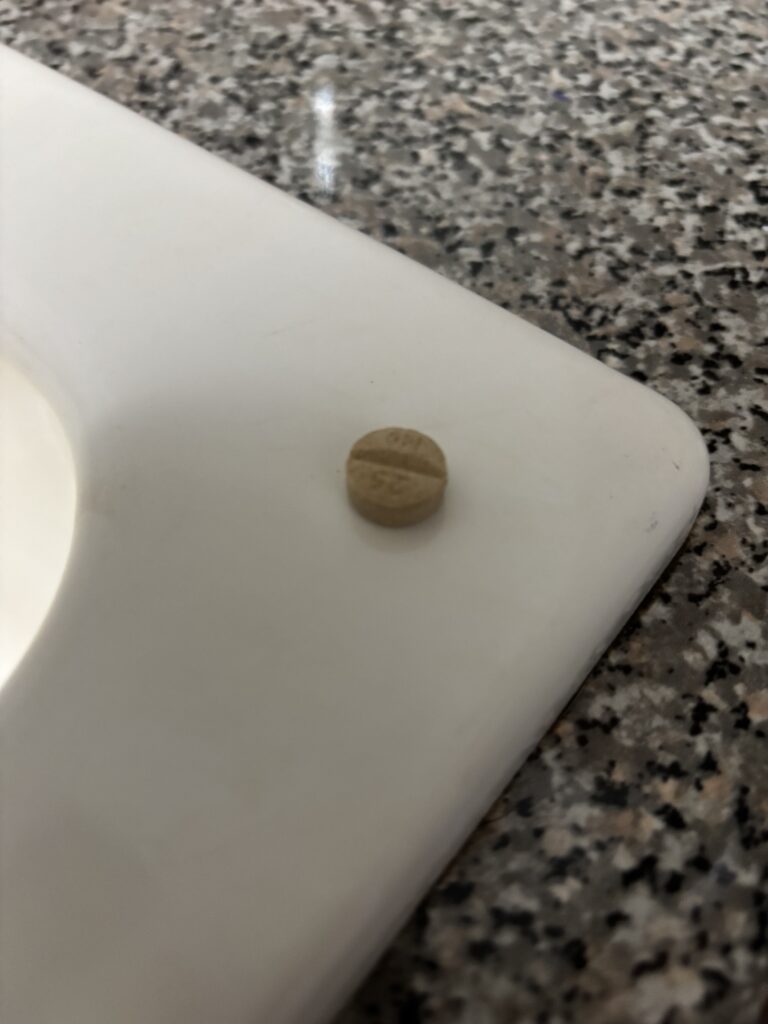
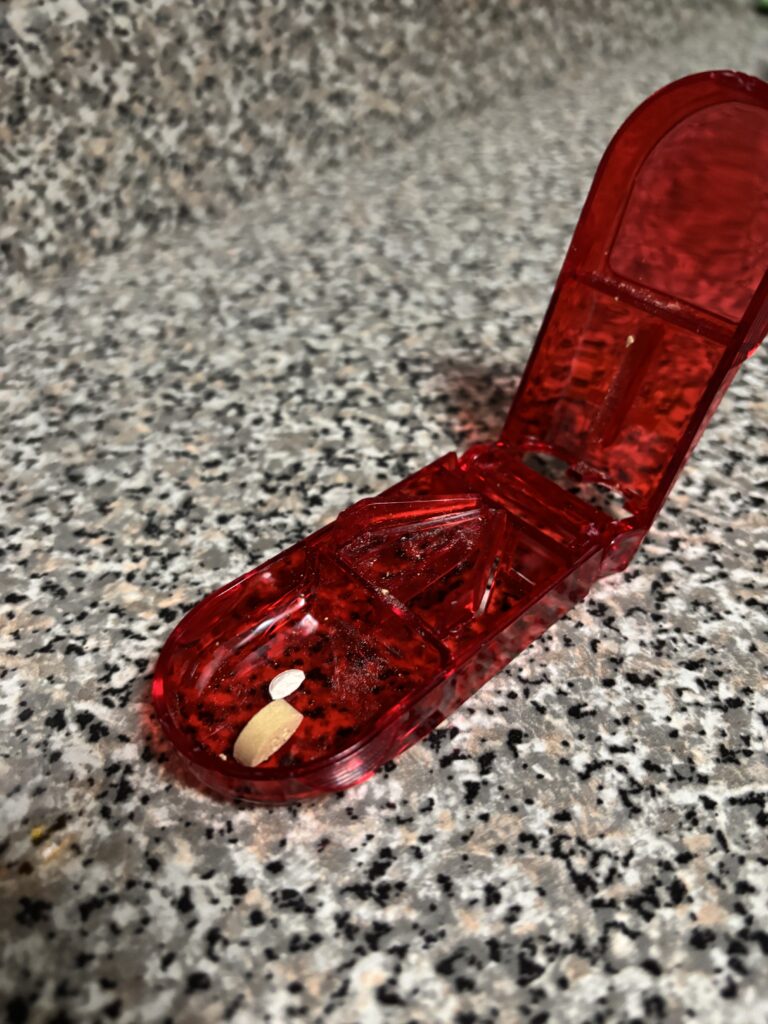
Never crush or split pills unless directed by your vet. Some pills have a special coating that protects the dog from stomach upset or irritation. Other pills can lose their effectiveness if crushed. Most pills that can be split have a score mark in the middle. They can be split with a splitting tool or cut carefully with a knife. Do not open capsules with the medication inside. The gel cap helps make it easier to swallow and masks the taste.
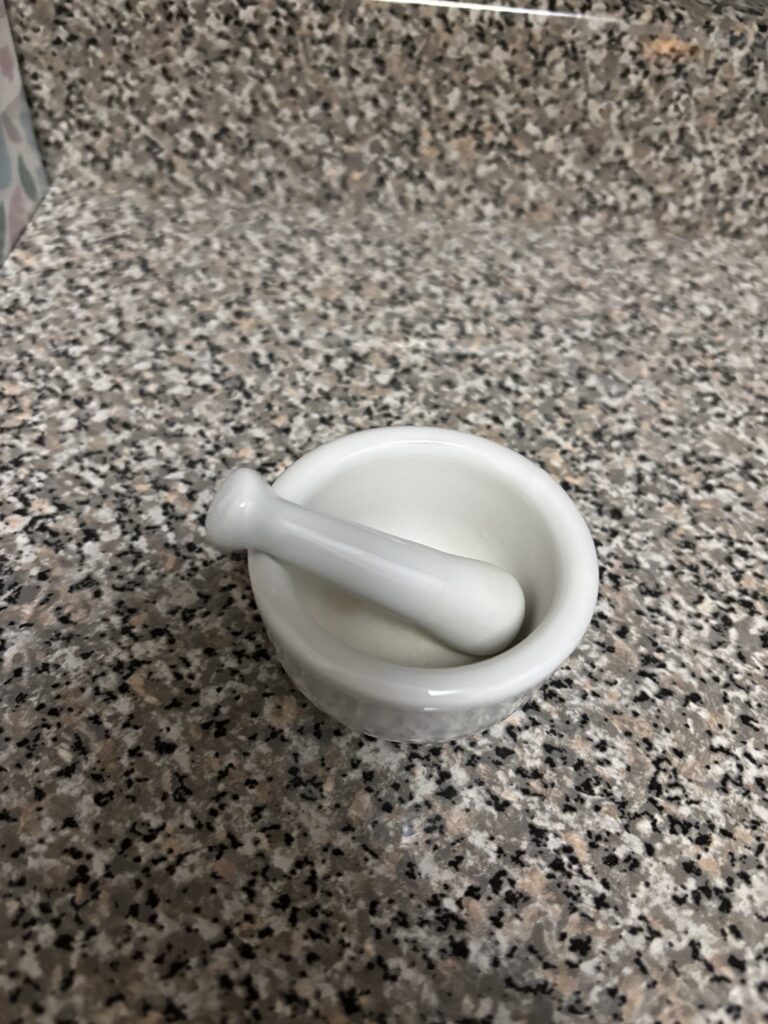
Some medication can be crushed depending on the circumstances.
To crush medication, a mortar and pestle work great. It keeps the medication contained and can crush it to a fine powder that can be mixed with food.
Giving a pill/tablet or capsule
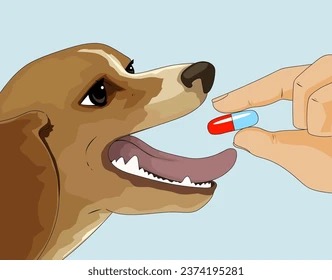
You can give the pill directly by tilting their head back, hold behind the canine teeth (also known as the eye teeth in the upper and lower jaws) Important: Always keep your fingers out from between the teeth. Put the pill on the back of the tongue. Close the mouth, then gently stroke the throat or blow lightly on their nose to make them swallow.
Hiding pills in a treat can work well. Putting the medicine in their food is not recommended since dogs can smell it and just eat around it.
You can start by offering a “test” treat. This is a treat with no pill inside to make sure your dog will eat it. Next offer another treat that holds the medication.
Check with your vet before using cheese to hold medication. Some pills don’t mix well with dairy products.
You can buy pill pockets to put the pills in or make your own. Homemade Pill Pockets
Always watch your dog closely to make sure they don’t spit the pill out.
Liquid medication
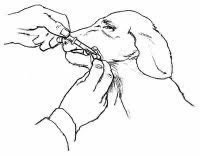
When giving medication in liquid form, start by reading the instructions carefully. Gently shake the bottle as directed.
Draw up the correct dose in a syringe or dropper provided by the vet.
Some liquids require being refrigerated, so you may want to roll the syringe between your hands for a minute to warm it up.
Straddle them or sit them in a corner of a room if they do not willingly take medication. Hold the syringe in your dominant hand. Gently place your other hand over their head and hold their muzzle (the jaw and nose.) Aim the syringe into their cheek pocket, outside the teeth. Squeeze the syringe to dispense the liquid. Praise your dog.
Side effects
Side effects are also a possibility. Your vet can go over these with you. Most common include stomach upset, changes in appetite, sleepiness, vomiting, diarrhea and skin irritation.
More severe symptoms may include trouble breathing, hives, seizures, tremors, continued vomiting or diarrhea. You know your dog better than anyone, so if they are not acting right, it is another sign that you need to contact the vet immediately.

Giving medication to your dog is just as important as how you would take medication prescribed by your doctor. Never share your human medication with your furry friend without consulting with the vet. Some medications are toxic to dogs and the dosing is different. When your dog is given a prescription the goal is to make them feel better. Even if they are better, continue the course of medication (especially antibiotics) so they are fully treated.
Happy Pup Parenting~
Kelly