August 18, 2026

I brush my dog’s teeth every day and yet my poor Cavaliers have still had several teeth pulled over the years. For our rescue, he had three years of poor care that puts him at a disadvantage.
It turns out that small breeds- most notably Toy poodles, Yorkies, Chihuahuas and Cavalier King Charles Spaniels have the highest rate of dental problems.
What studies show
It’s their tiny jaws that lead to overcrowded and crooked teeth. This causes a film of bacteria to become trapped, which leads to rapid gum disease. The bacterial plaque quickly turns into a hard calcium deposit called tartar. This can cause painful infections, loose teeth and even tooth loss.
Flat faced dogs like Bulldogs and Pugs have short jaws that twist their teeth out of place. Greyhounds have a narrow jaw shape that makes them prone to early gum disease.
Signs of dental issues
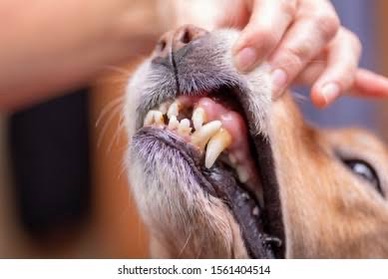
Tooth loss and gum disease is painful for your dog. The signs to watch for include:
- Drooling or dropping food.
- Chewing on only one side of the mouth or refusing hard food.
- Pawing at the mouth or rubbing their face on the floor.
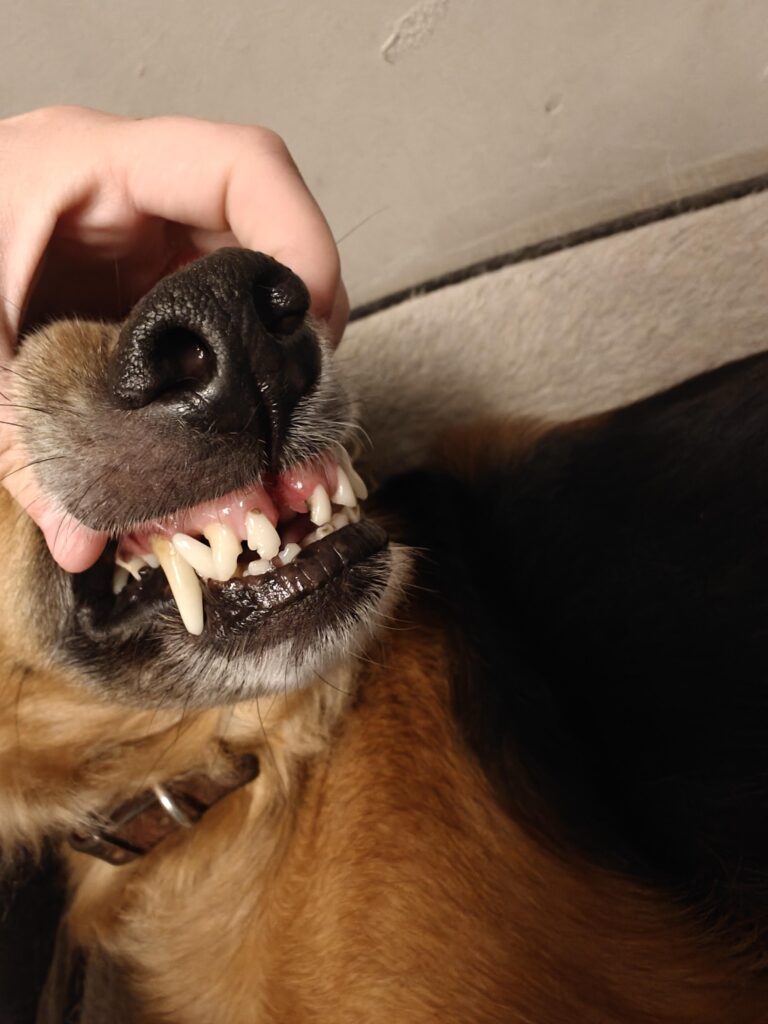
- Bad breath, bleeding gums or visible tartar- which appears as brown stains generally at the gum line.
- Being grumpy or shy when you touch their face.
What can you do?
- Regular dental exams with the vet.
- Professional cleanings.
- Be aware of the signs of dental disease.
How does dental disease affect my dog’s health?
- Gradual weight loss due to pain when they try to eat.
- Low energy as a result of pain.
- Increases the risk of heart disease. Bacteria from gum disease can end up in the bloodstream and lead to inflammation of the heart.
Tooth loss even in older dogs is not considered normal.
Other steps to take
- Switch out dry dog food for canned food or use warm water to soften crunchy dog food.
- A trip to the vet for an exam is in order if you suspect dental issues or have concerns.
- Regular tooth brushing is one huge step to good dental care. Daily brushing is encouraged.
- There are dental chews to help remove food particles. In addition, there are water additives, mouth rinses and special diets to reduce the risk of dental disease in dogs at risk.
Click on the link to learn more about brushing your dog’s teeth Dog’s Oral Health
Professional dental cleanings
Dental cleanings are done while the dog is sedated. This allows the vet to take x-rays and clean the teeth well. Any teeth that need to be removed will be done while they are still sedated.
After the cleaning, your dog should be kept quiet, fed a smaller meal of soft food. Give pain pills as directed for discomfort.
Final thoughts
Our dogs are family. We want them to be free of pain. Be mindful of your dog’s health to keep them happy and pain free.
Kelly