June 9, 2026
Service Dogs are dogs who are specially trained to perform specific tasks to assist individuals with disabilities.
History
Service dog work is thought to date back to the prehistoric ages when dogs would help nomads (people who roamed around with no place to call home) hunt for food.
As time went on, their work expanded to herding livestock and guarding crops. Today, these dogs are considered “working dogs” instead of service dogs.
Civil war dogs were documented as the first emotional support animals.
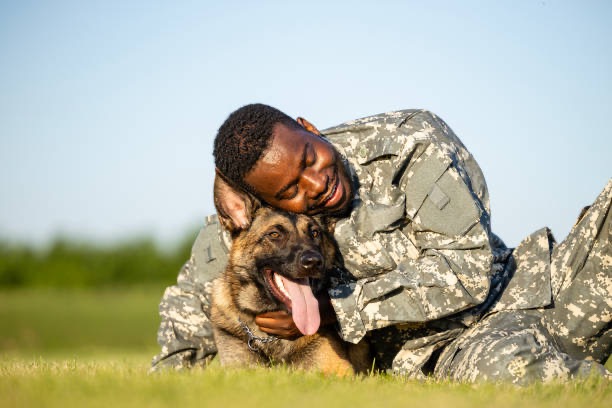
They also could sniff out food and clean water. The military units that had pets tended to have a better attitude and feelings of well being.
And who could forget George H.W. Bush’s service dog Sully? This lab served the former president during his battle with dementia. Sully turned on lights, retrieved items, answered the phone and called for help in emergencies.
Tasks
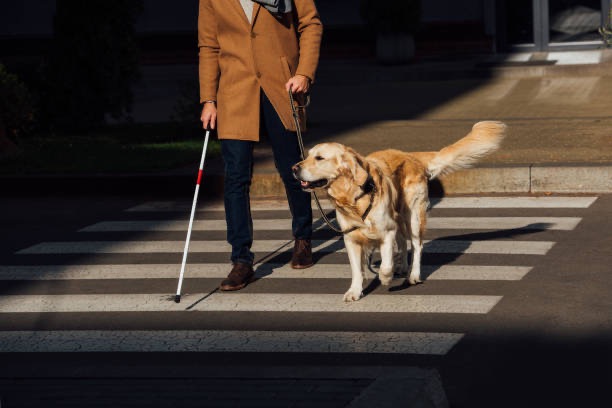
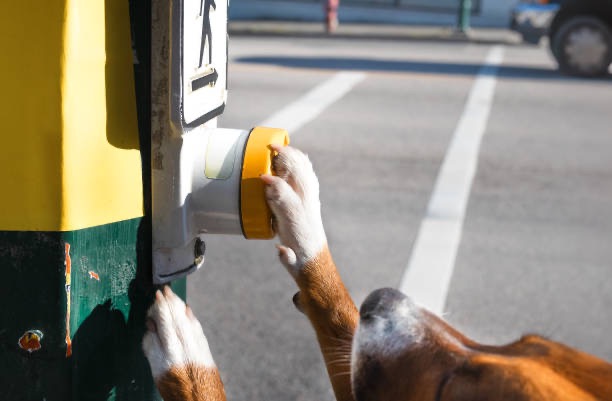
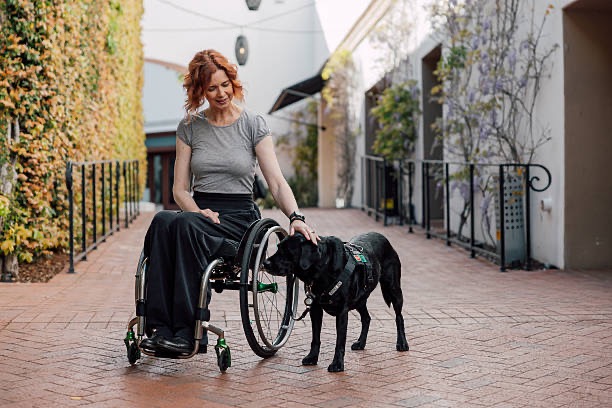
Service dogs can be trained a wide range of tasks, from guiding the blind, alerting of a seizure, pulling a wheelchair or stopping an anxiety attack. They are also used for people with autism, diabetes, loss of hearing and mobility issues. Whether physical tasks or sensing blood sugars out of control or a seizure about to happen, these hard workers are invaluable to their owner and family.
What breed of dog is used?
Any dog can be a service animal. The Americans with Disabilities Act (ADA) recognizes and protects the rights for full public access for them to accompany their owner wherever they are needed.
Top ten dogs used as service dogs
- Labradors
- Golden Retrievers
- German Shepards
- Poodles
- Boxers
- Great Danes
- Border Collies
- Bernese Mountain Dogs
- Pomeranians
- Portuguese Water Dogs
Costs involved
The cost to train a service dog ranges from $10,000.00 to $50,000.00. This depends on whether you purchase a pre-trained dog from an organization, use a professional trainer to train a dog you currently own or train them yourself with professional trainers.
There are some non-profit organizations that will provide a fully trained dog for little or no cost. The waitlists for these dogs is generally two to five years.
It is important to know that most health insurance plans do not cover the costs of a service dog.
These dogs are not intended to be pets
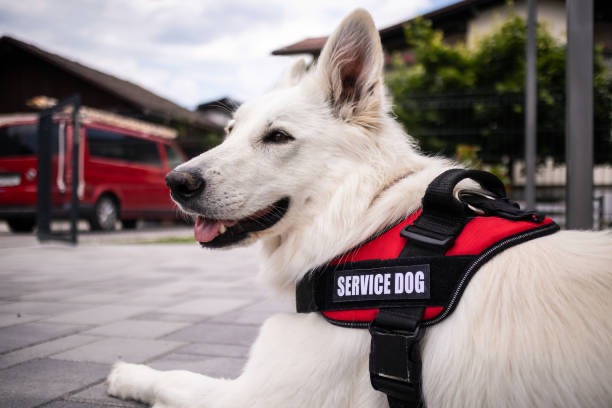
They are considered highly trained work dogs. These dedicated workers must be allowed to fly with their handler at no charge.
There is a “No Petting” rule for safety. The canine needs to be 100% focused at all times.
Legally, service dogs must be leashed or harnessed in public, unless it interferes with the dog’s job- such as opening a door or retrieving an item.
Businesses can only ask two questions. There is no registry, license or certification issued to the owner.
- Is the dog a service animal required because of a disability?
- What work or task has the dog been trained to perform?
Guide dogs are taught to disobey their owner’s command if following it would put them in danger.

Dogs are the only animal recognized as an official service animal under the Americans with Disabilities Act.
Service dogs were not federally recognized in the United States until the 90’s.
Final thoughts
Dogs are smart, capable and want to please. They are such an important part of people’s lives in so many ways.
Kelly