March 31, 2026
Choosing the right one

The right collar for your dog is based on several factors. A collar’s priority is safety, comfort and lifestyle when deciding on the right material for the collar.
Measure
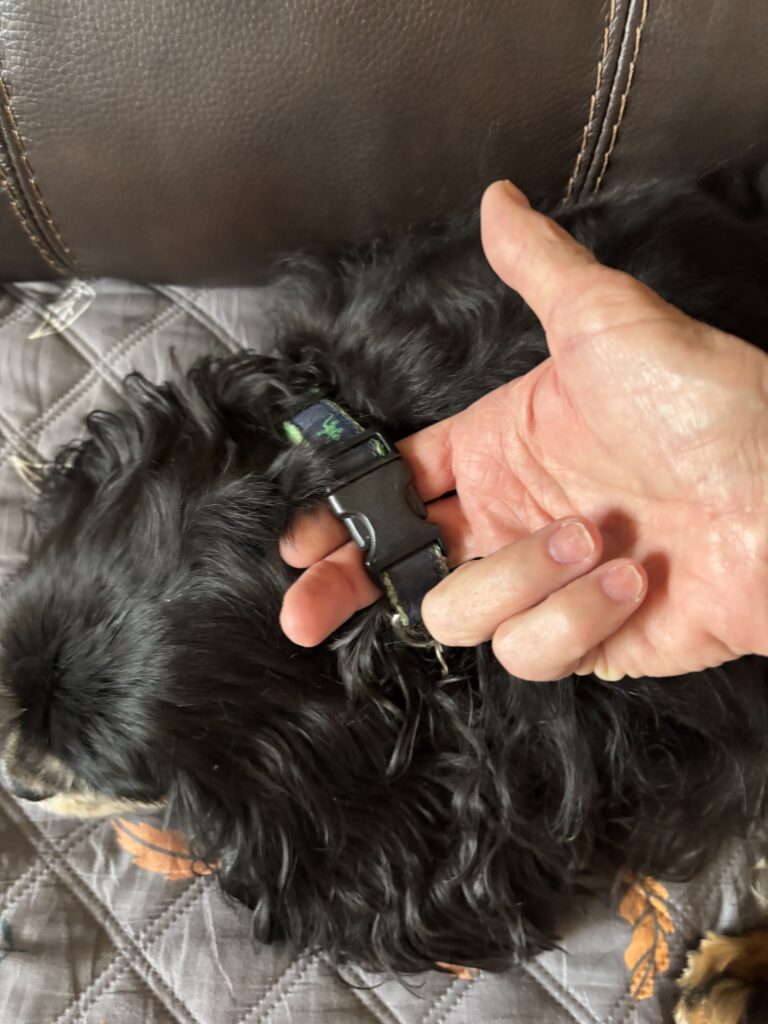
Measure your dog’s neck. Make sure that two fingers can fit under the collar for large dogs. One finger for smaller breeds. It should sit high on the neck, just below the ears, preventing slipping.
A collar that is too big can slip over their head and they could run off. Too tight of a collar can rub off the fur and irritate the skin, and even cause breathing issues.
Material
Choosing what the dog collar is made out of, depends on you and your dog’s life style.
- Nylon– This is lightweight, easy to clean and resists water. This is a good option for an active dog.
- Leather– This is a sturdier choice that is comfortable, but requires care to keep it in good condition.
- Synthetic– This material is ideal for the water loving dog. They are weather and odor proof.
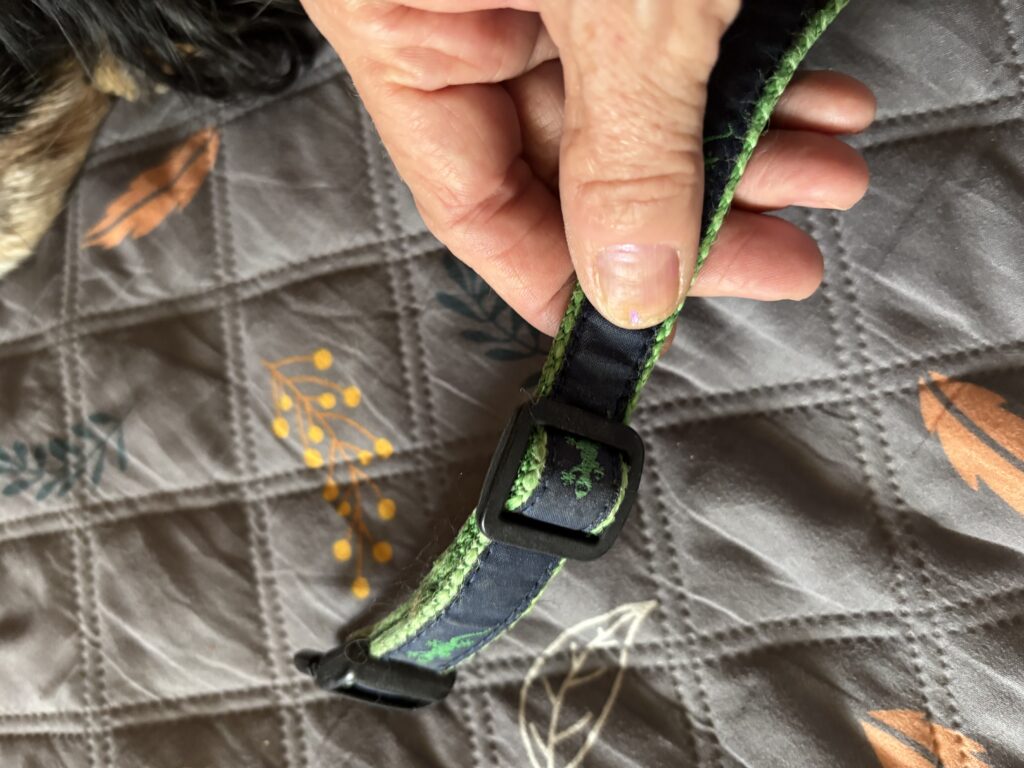
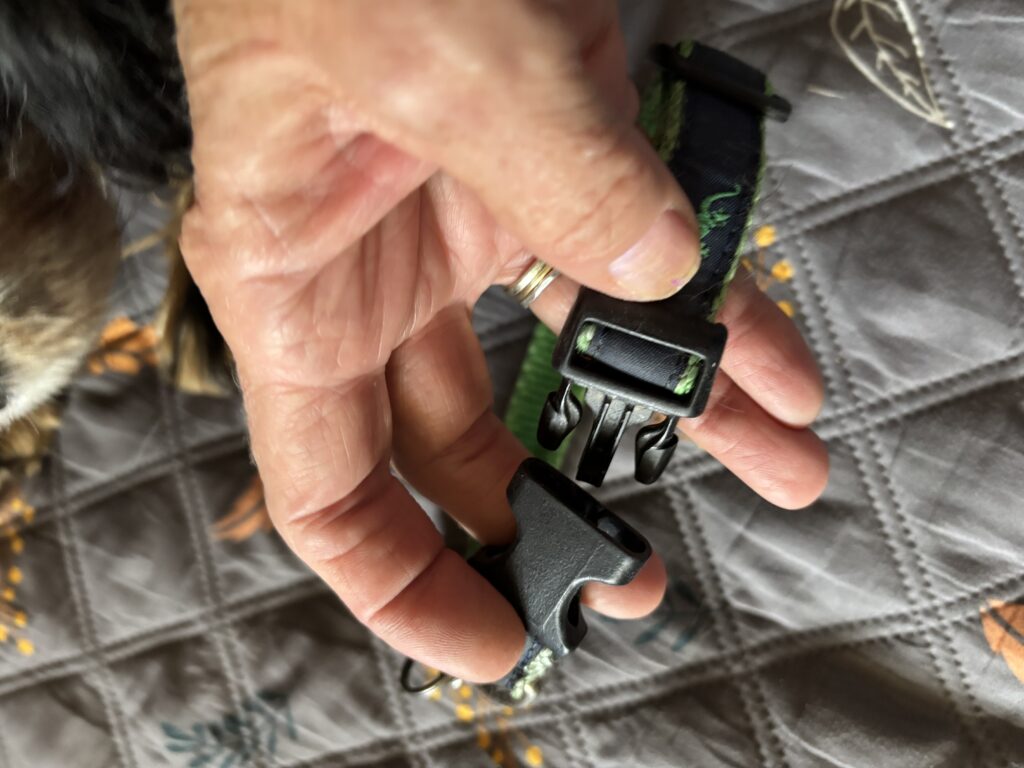
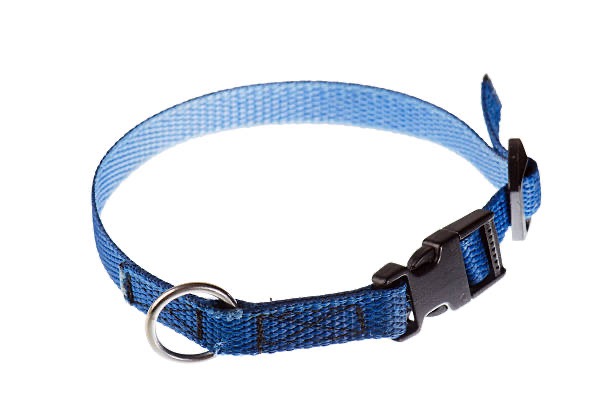
Most collars are adjustable and are sold by a size range. Pay attention to how to remove the collar. Attach rabies and Dog License tags to the ring. The ring is also used to attach the leash.
Safety
Quick release buckles
This style is convenient, yet sturdy, so it won’t break under pressure.
Breakaway collar
Recommended for pups who are getting caught on things. The collar buckle will release when forced.
Martingale or cinch collar
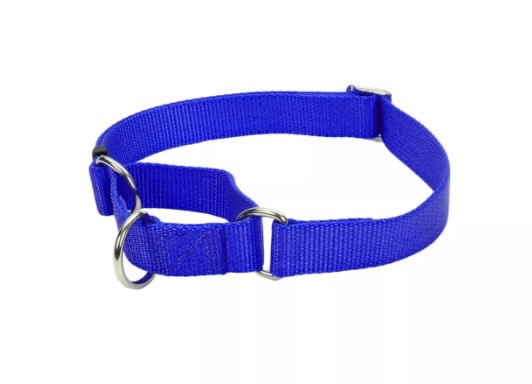
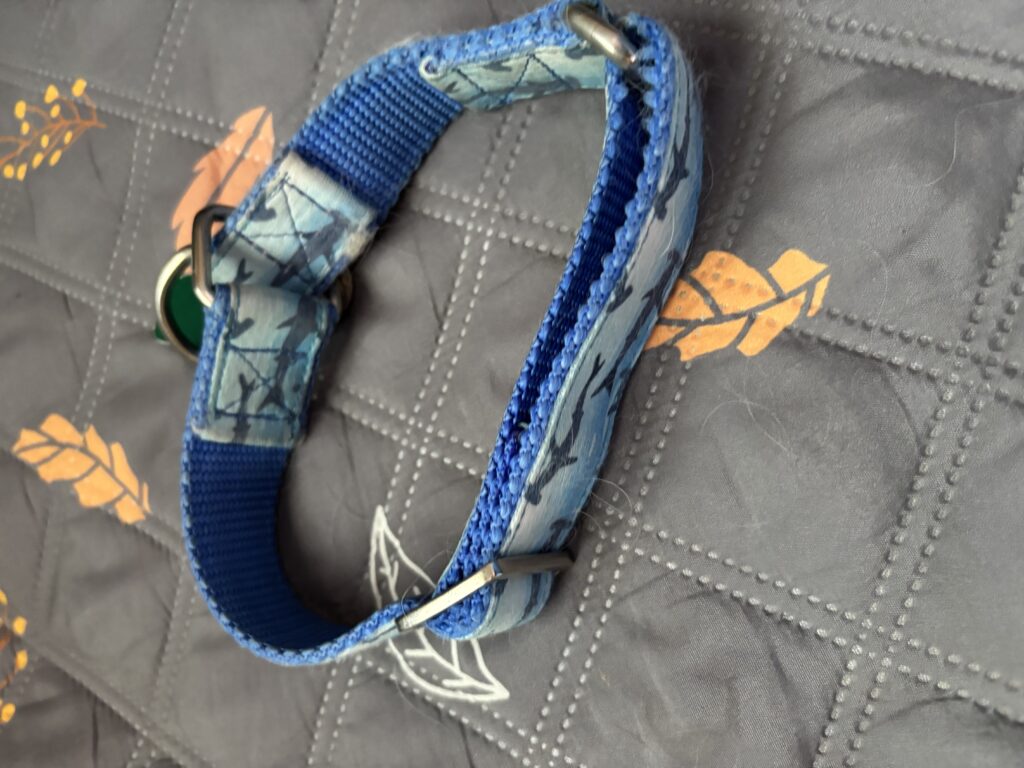
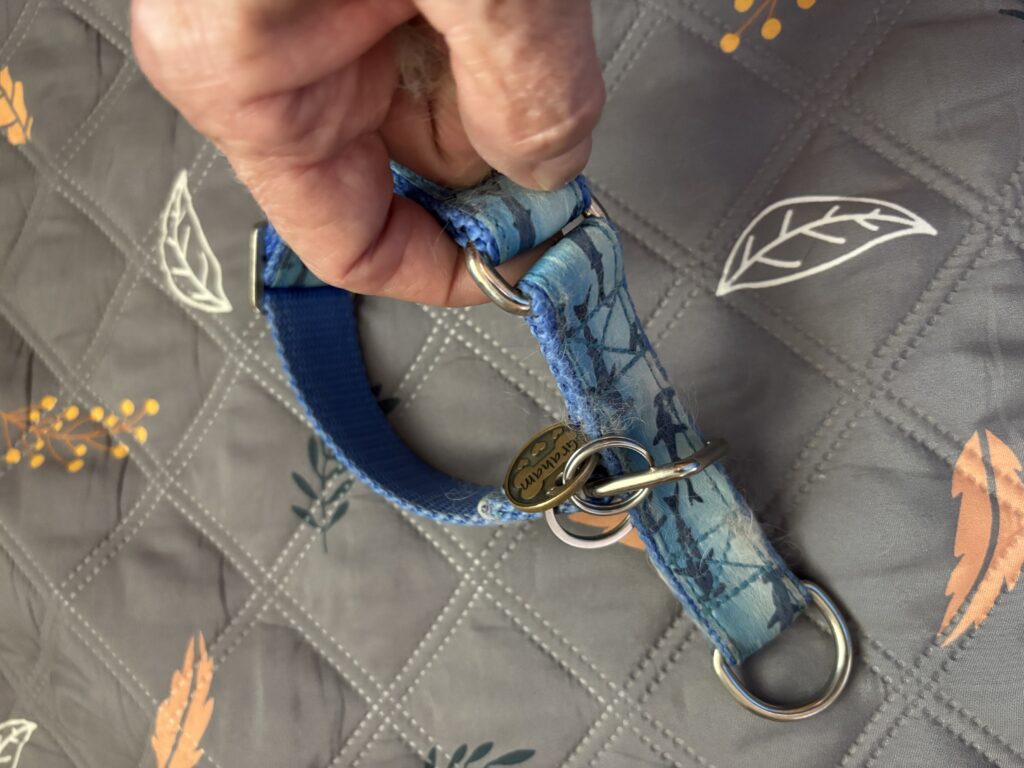
I use this style collar for our rescue dog Graham. When he gets scared, he backs up and can slip his collar. The cinch collars prevents this from happening. If Graham backs away the collar tightens.
Reflective stitching
If you walk your dog at night, this is an important feature to keep in mind.
Activity level & behaviors
Pullers
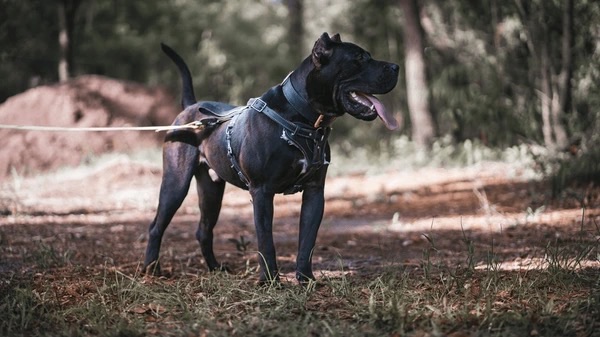
A regular collar might not be the best choice. A harness or trainer collar may work better and be more comfortable.
Water-loving
A quick drying collar with rust proof metal parts will last longer.
Sensitive skin
For these pups, choose soft materials and make sure the collar fits properly.
Choke collars
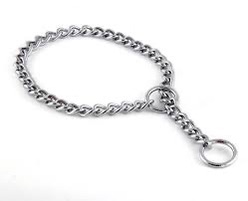
Choke collars are used as a temporary training tool only for obedience. This is recommended for experienced trainers to teach heeling or to correct severe pulling when on a leash. Misuse can cause damage to a dog’s trachea, a neck injury or anxiety.
Spike collars
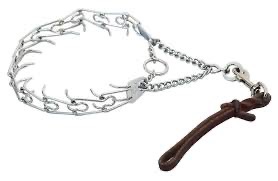
These are another temporary training tool used for large, strong or highly reactive dogs that pull excessively on a leash. They are designed to be used with a supervised dog trainer.
In conclusion
A well thought out dog collar for your dog is important. It can prevent a dog from running off, keep their neck comfortable, and the right collar will last longer.

Kelly, Oliver and Graham