Part One
January 20, 2026
Dogs do a lot of super cute things, but they can also have behaviors that are not so cute. Understanding these behaviors and what to do about them can help you prevent or control many of them.
Barking

Most dogs bark or whine. Excessive barking is on the list of undesirable behaviors. First is there a reason they are barking? The list includes:
- Warning the owner
- Playful or excited
- Seeking attention
- Anxiety
- Boredom
- Responding to other dogs
Be patient and consider teaching them quiet commands. I use a hand closing hand signal and say “Quiet.” It has been effective for excessive barking especially when it’s time to eat.
Chewing
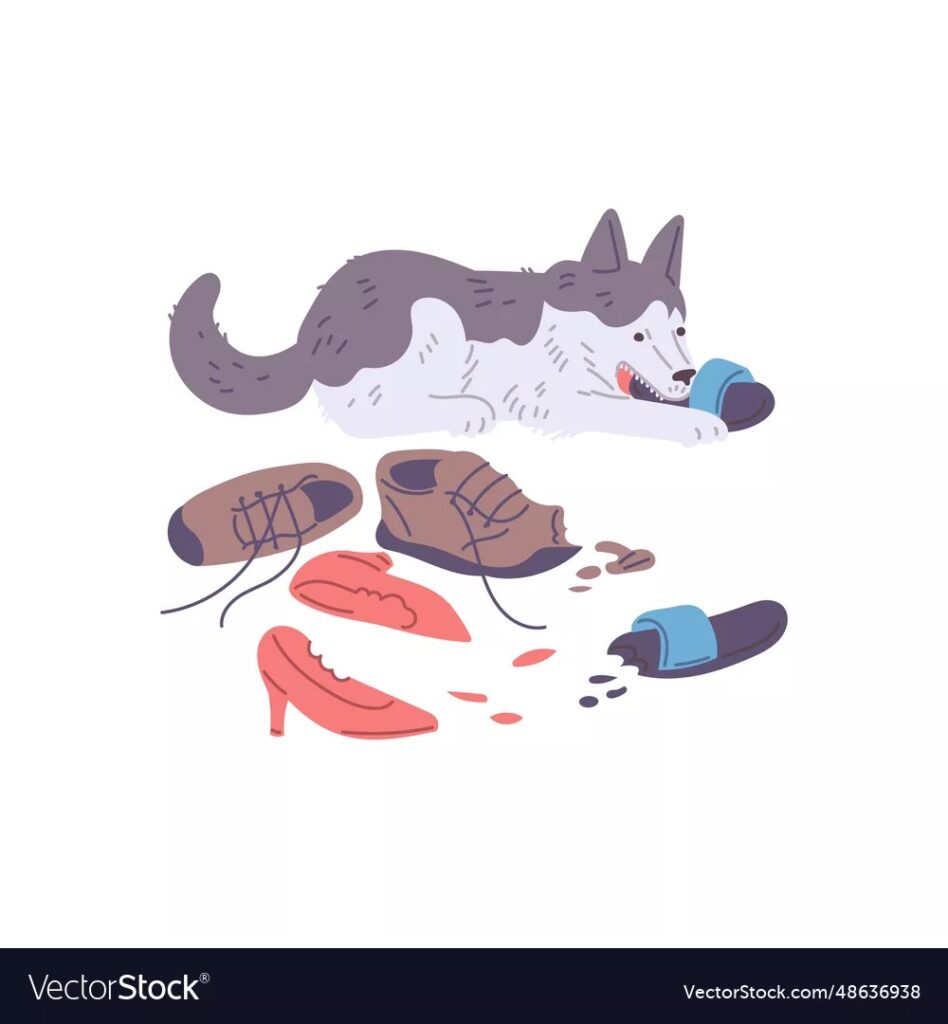
Most all dogs love to chew. It is a part of what they do when they are a puppy. They lose their baby teeth and get their adult teeth during this time. Just like babies, they put things in their mouth to relieve the discomfort.
It is important to keep your belongings picked up so they aren’t tempted. You aren’t going to be happy losing your favorite shoes, socks and other items that are chewed on.
Boredom and anxiety are also top reasons for chewing. Crate your dog when you are gone so a table leg doesn’t end up with chew marks.
What to do
Providing chews and chew toys gives them the exercise of chewing. It puts the energy into chewing something safe.
Exercise can help a great deal. Taking them for a walk or playing fetch outside tires them out and can prevent boredom chewing.
Most dogs outgrow the need to chew all the time by the age of two.
If you catch Fido in the act of chewing on your favorite sweater, get their attention. Replace the item with something they CAN chew on.
Digging
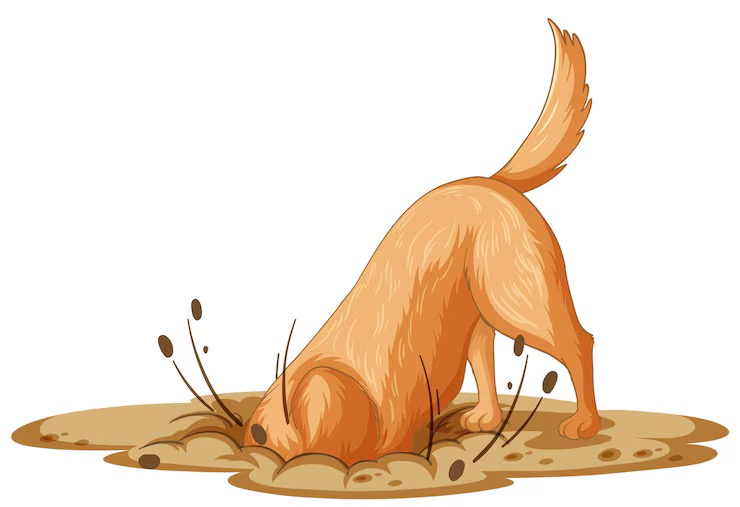
Digging is a natural instinct for most dogs. The terrier breed is more prone to digging because of their hunting instincts. Dogs tend to dig due to:
- Boredom or excess energy
- Anxiety or fear
- Hunting instinct
- Desire to hide their bones or toys
- Wanting to escape an area
What to do
Trying to figure out the cause of digging isn’t always easy. Things to try include:
- Give them more exercise
- Spend more quality time together-playing, cuddling, a car ride
- Extra training or obedience classes may be helpful
If your dog just can’t give up digging, give them a sandbox where they can dig to their hearts desire. Be sure to train them to dig in that spot. Praise and dog treats can help encourage this.
Separation Anxiety
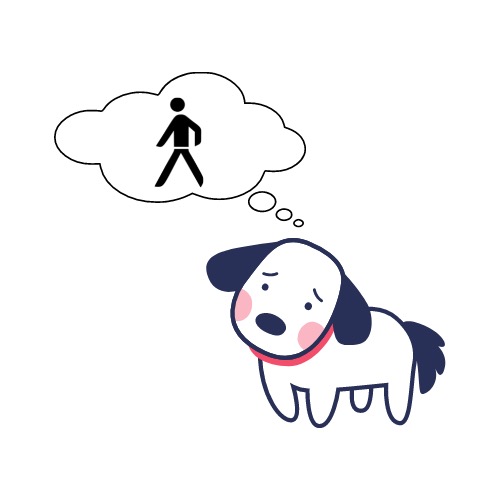
Separation anxiety is one of the most common behavior issues. They may bark, whine, chew, urinate or poop. Dogs will follow you around constantly. They will give you signs that they know you are going to leave them behind.
What to do
Before leaving, taking the dog for a walk to stretch their legs and go potty serves two purposes.
- Walk off nervous energy
- Going potty makes an accident in the house less likely
- Crating the anxious pup and giving them a chew can not only help keep them safe, but the crate can offer a space of comfort.
As a general rule a crate should be big enough to turn around in, lay down and stretch out, but not a big enough space to go potty in. A dog doesn’t like to lay in their waste.
- Leaving the TV or radio on may also be calming
Anxiety is an exercise in patience and taking the time to modify the behavior. Medication may be recommended for extreme anxiety. Contact your vet to discuss your options.
Final thoughts
While negative behaviors can be challenging, it is no fun for your dog either. They want to please you and don’t mean to do things that are destructive or annoying. Just like children, you need to help them learn that they are safe, you are coming back and what is acceptable behavior. Yelling or losing your temper only confuses them. If you have a sensitive dog, they will become afraid and retreat. Remember patience, praise and rewards for good behavior.
Happy Pet Parenting,
Kelly