January 6, 2026
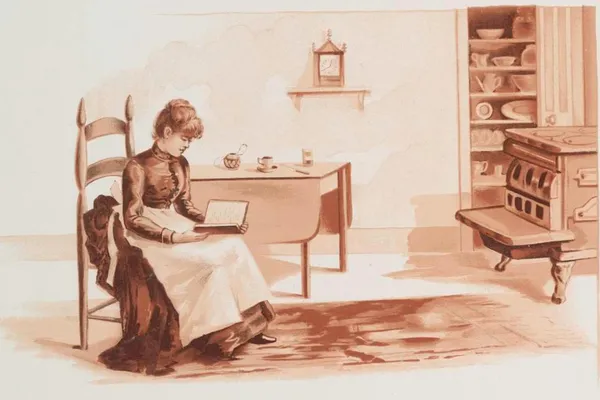
Recipes have been around for hundreds of years. Many passed down from generation to generation. What started out as cooking for survival has evolved into tasty dishes that provide comfort and showcase flavors. The earliest known recipes can be traced back to around 1700, inscribed on clay tablets.
The first cookbook
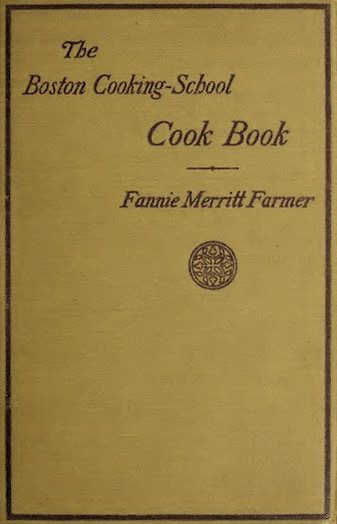
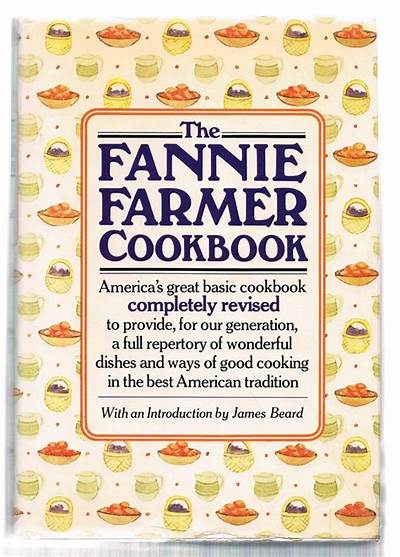
The first edition of The Boston Cooking-School Cook Book (now known as the Fannie Farmer Cookbook) was published in 1896.
What were people eating?
Familiar dishes of the time included Potted Pigeons, Creamed Vegetables and Mock Turtle Soup.
This cookbook introduced recipes like Hamburg Steaks & French Fried Potatoes, an early version of hamburger & fries.
The cookbook published about 360,000 copies by the time author Fannie Farmer passed away in 1915.
The shape of the early recipe
Fannie’s recipes were not only tasty, but were precise and easy to copy.
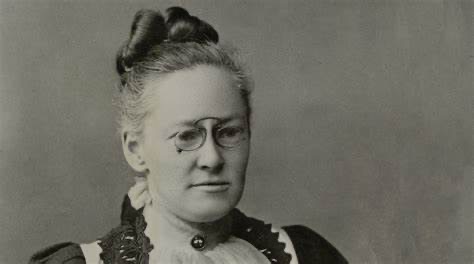
The earliest surviving recipes gave very little information, since most people weren’t able to read or write. New cooks learned by watching experienced friends or family.
It wasn’t until the 18th century that people learn to read. The first American cookbook was published in 1796. A cookbook back then was a luxury that many people couldn’t afford, let alone read.
By the mid-19th century
Young Americans often lived far from friends and family who could offer help with cooking. The cookbook attempted to offer household advice. It not only gave instructions on cooking, but also how to mend clothes, take care of the sick and discipline children.
Moving around, especially in war times meant recipes could be easily lost if not written down. For most of the 19th century, recipes were only a couple sentences with no standard weights or measurements. There were no heating instructions or guidelines as to how long to cook things.
At the end of the 19th century
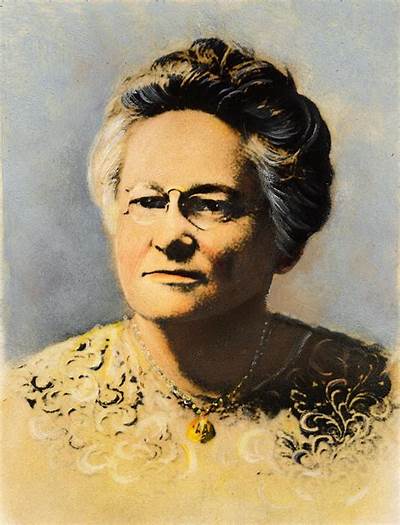
Fannie Farmer argued that housekeeping and cooking was in need of being done in a more organized way with standard ways of measuring ingredients.
Standardized measuring
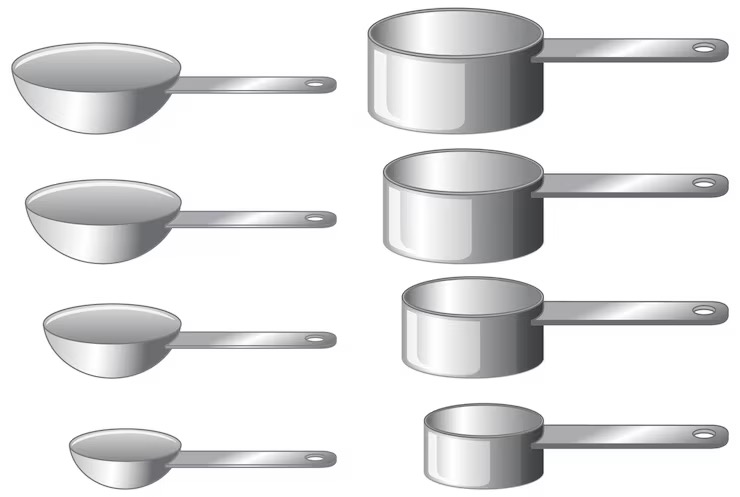
Fannie Farmer’s enthusiasm for recipes that were more exact and dependable led to standardized teaspoons, tablespoons and cups to measure ingredients.
She also insisted that all would be measured level across the top of the spoon or cup. For generations, Americans had measured ingredients rounded at the top, which could vary the amounts.
By the 20th century
Recipes now began with a list of ingredients in exact amounts. In nearly 100 years its format has barely changed.
Today recipes are still passed on from generation to generation. Some still write out recipes on recipe cards.
Cookbooks are still being published, but online cookbooks and recipe apps are everywhere.
The modern recipe
Recipes today not only show a creator’s cooking techniques and skill, but can serve up good reading for the foodie.
They still carry the guidelines that were made in early America. They continue to teach old and new cooks the principles of cooking and baking.
Kelly