December 30, 2025
What does it look like?
Just like people, dogs can have seizures. Abnormal, uncontrolled bursts of electrical activity in the brain causes seizures.
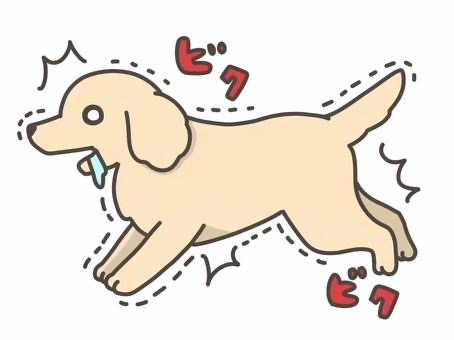
They may look unsteady on their feet and confused. Then they fall to the floor and begin to twitch. It can look like uncontrollable shaking. These can last for less than a minute to several minutes.
What causes seizures?
There can be several causes for the seizures. Low blood sugar or a head injury can cause seizures, but the most common reason is called idiopathic epilepsy. This means there is no known reason. Eating something toxic, liver disease, kidney disease, anemia, strokes and brain cancer are among other causes.
Are some dogs more likely to develop seizures?
While some dogs may be more prone to developing seizures, this doesn’t mean that they will have seizures.

Our experience
Our dog Oliver was laying on the couch next to me. He woke, sat up, turned his head and fell to the floor. He began to seize. His whole body was shaking. He was foaming from the mouth. I timed the seizure from start to finish. It lasted about 1 minute.
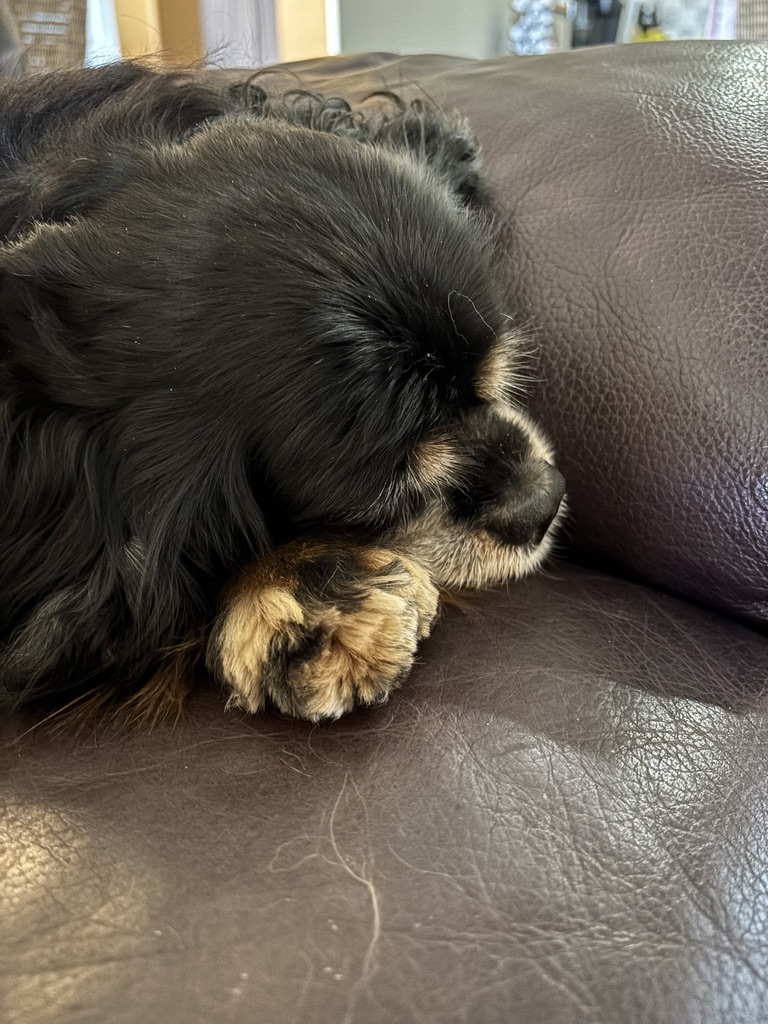
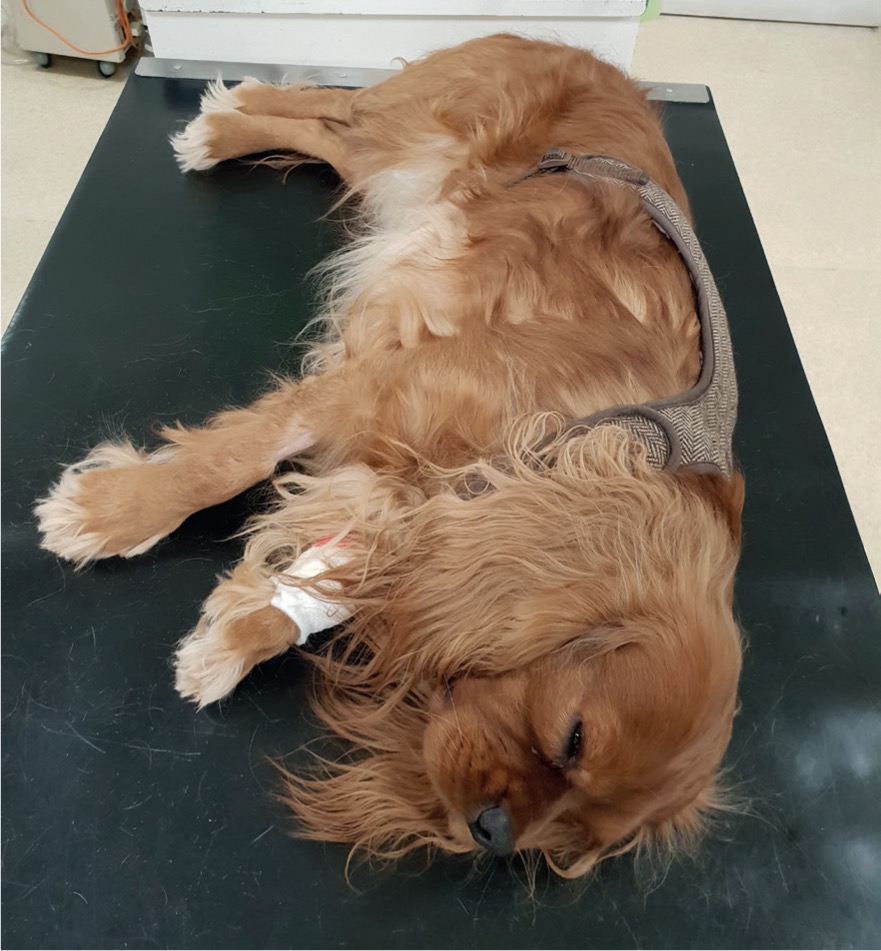
After a seizure, it is common for them to be in a sleepy state called a postictal state. It usually lasts 5-30 minutes. Stay with your pup, when they wake up. They can be scared and restless.
If a dog has never had a seizure or has a seizure that lasts more than 5 minutes, get them to the vet immediately.
What to do
Stay calm, slide them away from any furniture or stairs to prevent injury. Stay away from their head and mouth as they could accidentally bite you. Never put anything in their mouth, this could cause injury.

Timing the seizure is important information for the vet. If it lasts more than a couple of minutes, your dog is at risk of overheating. Turn a fan on and put cold water on their paws to cool them down.
The longer a seizure continues, the higher a dog’s temperature will rise, along with difficulty breathing. This increases the risk of brain damage.
Back to Oliver
Oliver was postictal for 2-3 minutes, then he became very anxious and restless for about 2 hours. We took him to the animal ER right away.
- An IV was started immediately so they could give him IV meds right away if he had another seizure.
- They did a chest x-ray. He has a heart murmur, which could cause a seizure. His chest x-ray was stable.
- Blood work was drawn. His blood sugar was normal. All lab work was good.
Since it was his first seizure, they did not prescribe medication to prevent seizures.
Two nights later

Two nights later, Oliver had another seizure lasting about 15-20 seconds. When he woke up, he was very anxious and unsteady on his feet. He wanted to walk and kept trying to put his head against the walls and cabinets. This is a sign their head hurts.
We finally took him for a car ride (which he loves) and he fell asleep in my husband’s arms.
Next steps

The next day we got him into his vet. Oliver was examined, and more blood work was drawn. Everything was stable. The vet discussed the need for an anti-seizure medication. Oliver was prescribed Levetiracetam.
Please be sure to discuss the medication options. We had a cat with seizures who was put on Phenobarbital. This medication is hard on the liver and kidneys. Our cat went into kidney and liver failure over time. A pretty significant side effect that left us with putting her to sleep.
Giving medication
We put Oliver’s pill in cheese. The first few days were rocky as he adjusted to the medication. He was unsteady on his feet and restless, then he was super sleepy. We helped him on and off furniture and blocked the stairs. Our little man realized he couldn’t safely go down steps, so we carried him.
Oliver is back to himself now. If these side effects would have continued, it may be a sign that an adjustment to the dosage could be needed.
More considerations
- The vet can do blood work to check the levels of medication in your dog’s blood. This will tell them if it’s the right dose for your dog.
- Remembering to give your dog their medication is crucial.
- Keep a diary of the seizures and how long they last. The goal is to keep the seizures to no more than 1 per month.
- While it was suggested by the ER vet to have an echocardiogram of Oliver’s heart to see if the heart murmur was causing the seizures, it is very expensive. $1,500.00 for an echocardiogram and that does not include any treatment.
- An MRI of the head may also be suggested. An MRI will cost $5,000.00 plus and no treatment is included. It is not a reasonable plan for most of our wallets. It is important to remember what you are putting your beloved dog through. You need to ask yourself, ” Who am I doing this for?” When It’s Time To Say Goodbye
Oliver is almost 15 years old. We want good quality for his life, not pain and fear. For now he is happy, eating well and enjoying going for walks and car rides.
Until next time, puppy kisses!