July 8, 2025
Dogs can come in contact with ticks when they are outdoors. Ticks can be on your pet and come indoors, putting you at risk of getting bit. People and dogs alike can become infected with tick borne diseases.
Ticks are most active during the Spring and Fall of the year.
Prevention is key
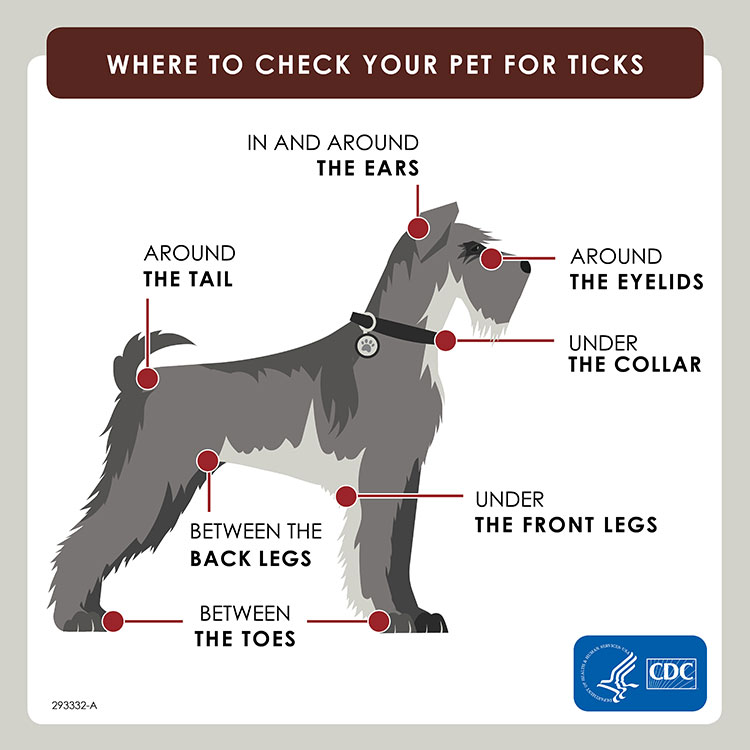
- If your dog goes outside, daily checks for wood ticks will keep them healthy. Ticks can be hard to see, especially in dogs with dark fur.
- Use a tick prevention product. Dogs can be vaccinated against Lyme’s disease yearly, but there are many other tick related illnesses that there is no vaccine for.
- Talk to your vet for the best tick prevention.
- Make your yard less inviting to ticks. They live in wooded areas, as well as, long grass, brush and leaf piles. Mow the lawn regularly. Keep wood and leaf piles neat to discourage deer, raccoons and rodents from hanging around. They can bring ticks into your yard. There are pesticides available that can reduce ticks in the yard.
- Use insect repellents that contain DEET for yourself. They are safe and effective. Apply sun screen first, then the bug spray.
- There are products to treat your clothing and gear. Permethrin products work well. You can also buy Permethrin treated clothing and camping gear.
My dog has a tick!
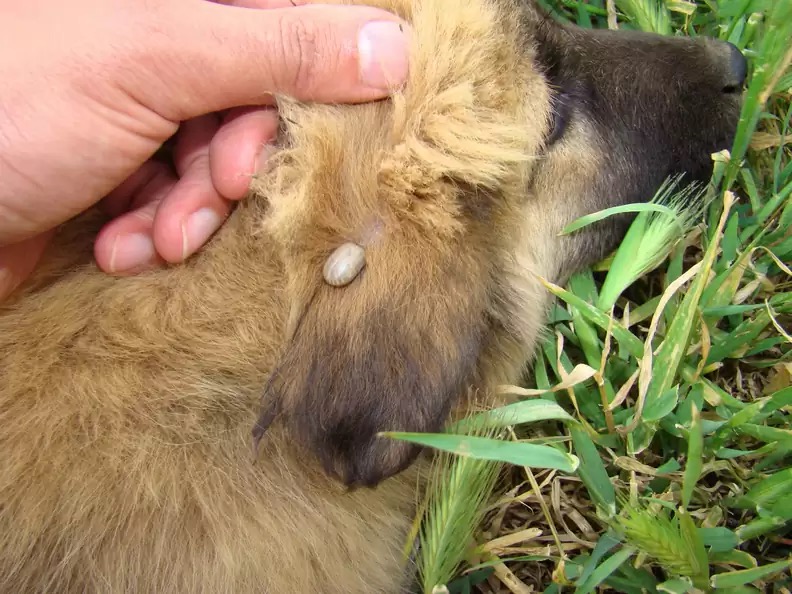
It is equally important to remove the tick promptly, as it is to remove it correctly.
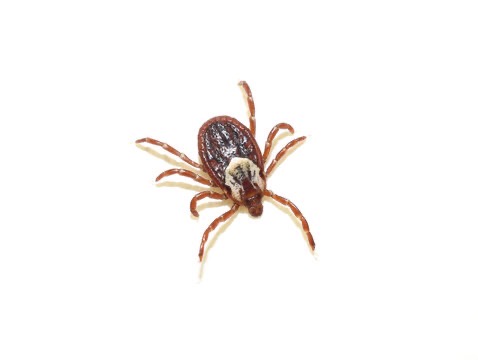
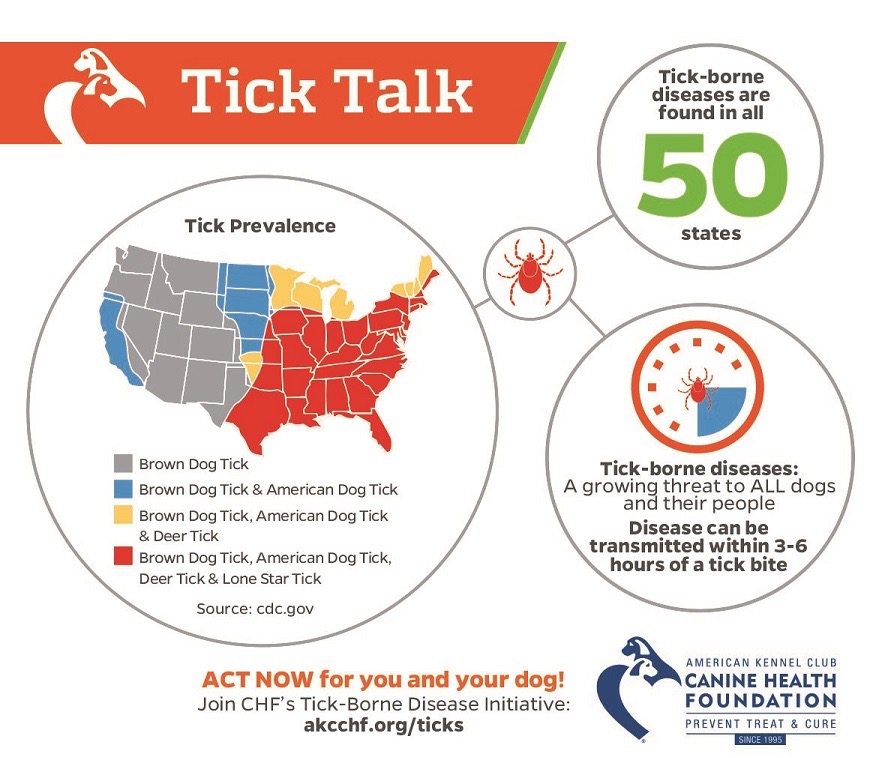
Because ticks carry germs that cause illnesses, the sooner you remove it, the less likely they will get sick. The infection can occur as soon as 3-6 hours after being bitten.
A tick has a one piece body. They have sharp barbs in it’s mouth to attach to you or your dog, other animals, birds, even other insects!
The United States has about 200 species of ticks. They range in size from a speck to the size of a fingertip.
Removing the tick
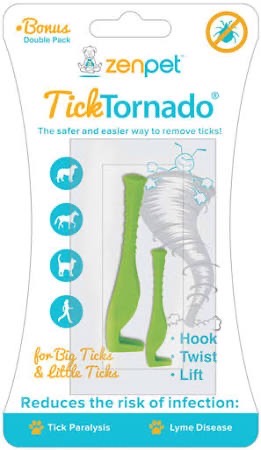
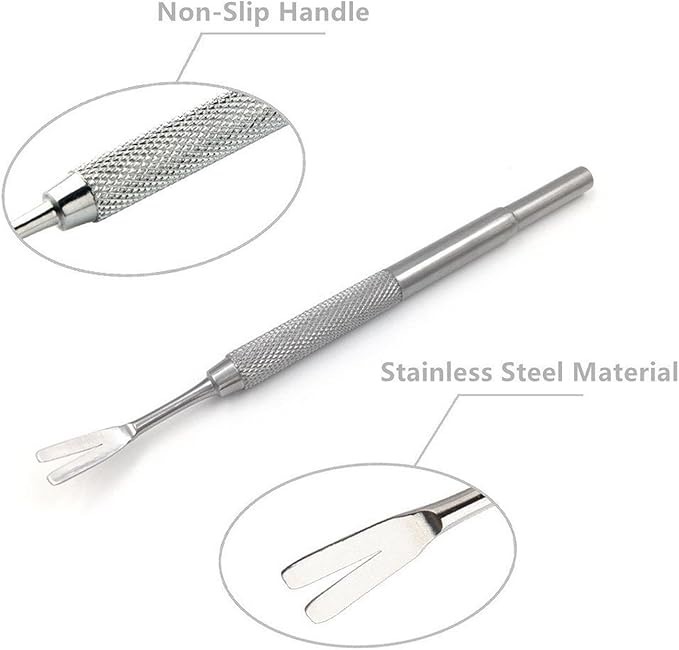
- Use a pair of fine point tweezers. There are special tweezers you can buy just for removing ticks. Above are two examples. Avoid tearing the tick, as this can spread the infection into the bite area.
- Spread the dog’s fur, grasp the tick as close to the skin as possible. Gently and slowly pull straight up. You want to prevent the tick’s mouth from breaking off and remaining in the skin.
- Ticks do not have a head, so it is “mouth parts” that can get left behind.
- Never remove a tick using your fingers. The chance of breaking off the tick in the skin is high. By squeezing the tick, it may also further cause infected material to be pushed into your dog’s skin.
- After removing the tick look at the tick. Is it all there? If you are not sure what to do with the tick, place it in a sealed container. Label it with the date and where you found it on your dog in case your dog develops symptoms of illness. Not all ticks carry disease, but it is always better to rule on the side of caution since the ticks that do carry disease can cause very serious illnesses.
After removing the tick
Wash your hands with soap and water for 20 seconds.
Clean the bite with a cotton ball and rubbing alcohol. Disinfect the tweezer as well with soap and water, followed by soaking or wiping the tweezers in rubbing alcohol.
What are signs and symptoms of a tick borne disease?
Symptoms may not become noticeable for 7-21 days or even longer after being bitten.
- Fever
- Lack of energy
- Loss of appetite
- Muscle or joint pain
- Diarrhea
- Limping
- Swelling, especially near or at the spot where they were bitten
Treatment
Early diagnosis and treatment is important to recovery. Antibiotics are generally effective in the early stages of disease.
The treatment of antibiotics will need to be determined by your vet, but it is generally 30 days long. Your pup can show improvement in 24-48 hours after starting antibiotics, but Fido needs to start on them as ordered by the vet, as the disease is still present.
Untreated or under treated tick disease could cause symptoms to increase quickly and prove to be fatal.
Key take aways
- Check your dog daily for ticks during tick season.
- Removal of the tick promptly and correctly is important.
- Watch for symptoms that may appear in 7-21 days or longer.
- Early treatment with antibiotics is effective.
- Make sure to treat your dog with all of the antibiotics as instructed by your vet.
I hope this is helpful information. The more informed you are, the better for you and your dog.
Kelly